







Search Results for: Arabica coffee bean prices
A Comprehensive Analysis of Arabica Coffee Bean Variety Characteristics: The Price of a Cup of %Arabica and Market Trends
Is Arabica actually a coffee variety or the name of a cup of coffee? Many friends who are just getting into specialty coffee easily confuse this concept. In fact, Arabica is a core variety of the coffee tree, from which many branches such as Typica and Bourbon have derived. This article will systematically sort out the botanical characteristics, growing environment requirements, global distribution range, flavor performance, and caffeine content of Arabica coffee beans, while also answering how much a cup of %Arabica coffee costs, and combining price data from the ICE Futures Exchange to analyze the various factors affecting coffee pricing. The article also retains relevant product recommendations from Front Street Coffee for enthusiasts to refer to when purchasing. [more…]
Vietnamese Robusta Price Surpasses Arabica for the First Time, High Coffee Market Prices May Persist
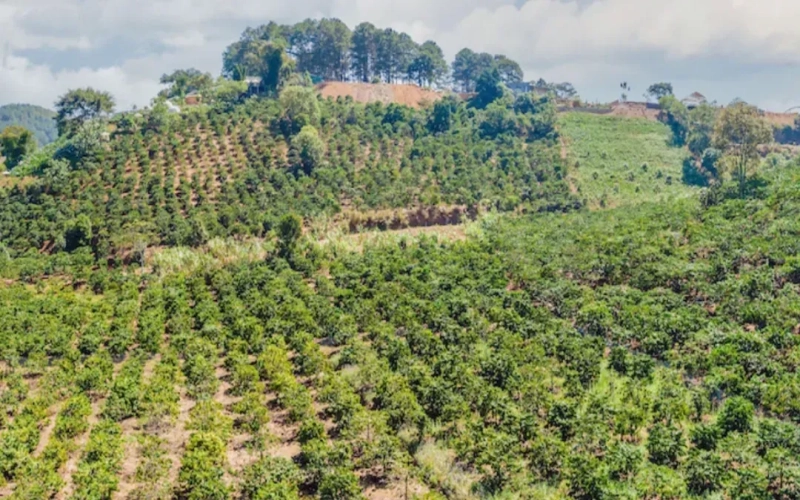
Vietnam, as the world's largest producer of Robusta coffee, has recently seen a rare phenomenon—domestic Robusta prices have actually surpassed Arabica for the first time in nearly 50 years. Affected by multiple factors including high temperatures and drought, reduced production, and tight global supply, Vietnam's coffee export prices have continued to climb, with the average export price in May surging 63.6% year-on-year. At the same time, Brazil's new-season Robusta harvest is looking good, which may bring some relief to the persistently rising prices. This article will provide a detailed analysis of price trends, supply and demand changes, and future expectations in the Vietnamese coffee market. [more…]
International futures prices for Arabica coffee beans have fallen sharply, yet price cuts for end consumers remain difficult to achieve.
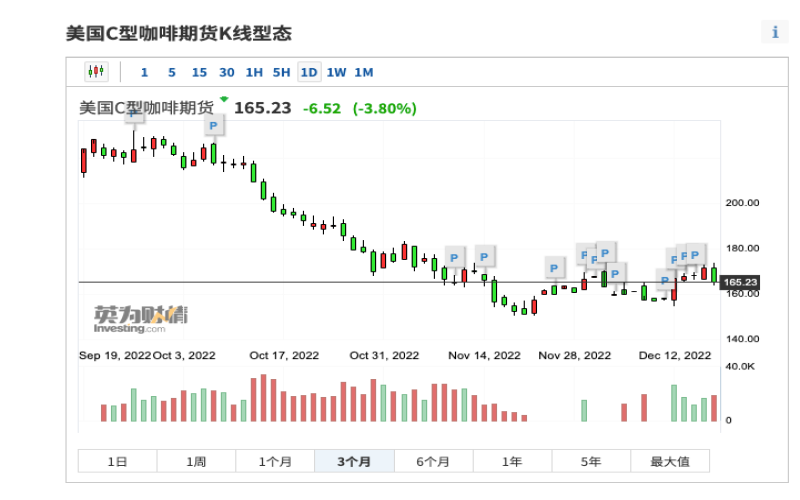
Recently, an unusual situation has emerged in the international coffee market: Arabica coffee beans, which account for about 70% of global production, have not risen in price due to reduced output. Instead, dragged down by inflation, prices have fallen nearly 40% from their February high, hitting a one-year-and-five-month low. Worsening European business confidence, declining consumption, and a surge in certified inventories have significantly eased the balance between supply and demand. However, the decline in raw material prices has not been passed on to the end consumer market. Coffee beans account for only a limited share of coffee shop costs, and the premium on specialty coffee remains. Consumers hoping to drink cheaper coffee may still have a long wait ahead. [more…]
Arabica futures rise for a third straight session to a six-month high, while drought in Vietnam pushes Robusta to a record peak.
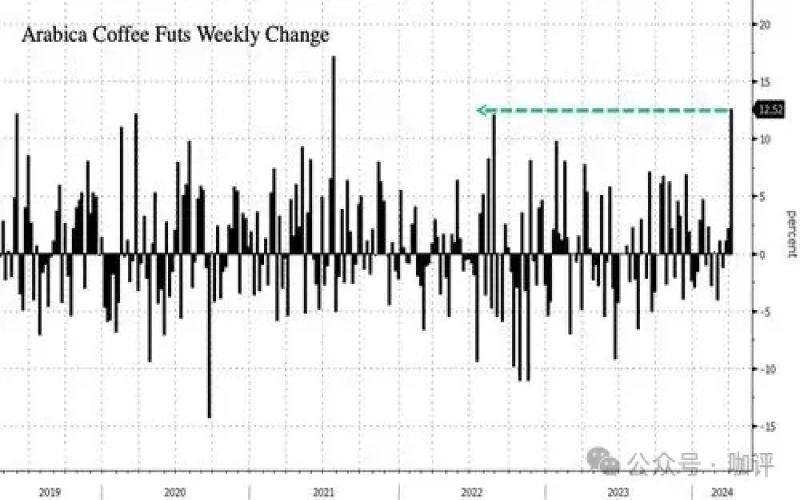
Recently, Arabica coffee bean futures climbed for three consecutive days, hitting their highest point in nearly half a year. The May contract surged 12.5% during the week, settling at $2.12 per pound, the strongest weekly performance since July 2021. Meanwhile, the International Coffee Organization's composite price index rose to 186.36 cents per pound, an 18-month high; Robusta prices even reached their highest level since October 1994. The main driver was a heatwave and drought in Vietnam, which tightened Robusta supply and indirectly pushed Arabica higher. Vietnam's output is expected to drop by 20%, with exports declining in tandem, and coffee exports from Asia and Oceania as a whole falling 17%. The EU's deepening reliance on Vietnamese Robusta, combined with the Red Sea situation driving up shipping costs, has given coffee prices room for continued gains. [more…]

Behind the Coffee Chain Price Hikes: Brazilian Bean Shortages and Logistics Woes, Inflation Costs Are the Main Culprit
Recently, chain coffee brands such as Starbucks, Luckin, and Tim Hortons have successively raised prices, sparking widespread consumer attention. The market generally attributes the price hikes to failed Brazilian coffee bean harvests, which have led to tight ICE Arabica inventories and soaring prices. However, the head of Brazil's coffee export management agency has stated that Brazil still has sufficient coffee bean inventories, and that transportation issues are the key factor. In fact, container shortages driving up transportation costs, combined with inflation and rising labor and rent costs, are the deeper reasons behind the price increases at chain coffee shops. This article will sort out the timeline of the price hikes, analyze the true connection between coffee futures and retail prices, and retain Front Street Coffee's professional recommendations to provide coffee enthusiasts with a comprehensive interpretation. [more…]
How Much Does Arabica Coffee Cost Per Pound? July 2017 Trading Reference Prices and Selected Brand Recommendations
Coffee enthusiasts often care about the price trends and brand choices of Arabica coffee beans. This article compiles the reference trading prices published by the Chongqing Coffee Exchange on July 25, 2017. The Arabica quote is 18.01 yuan/kg, with the delivery location in Kunming. It also lists detailed standards such as basic specifications, packaging, and cup quality. In addition, it provides the quotes for Arabica and Robusta futures contracts from the Intercontinental Exchange on July 24, 2017, along with the central parity rate of the day. Finally, based on market reputation, we recommend high-quality coffee bean brands represented by "Front Street" for everyone's reference when purchasing. [more…]

Behind Starbucks' US Store Price Increases: Cost Pressures and an Analysis of Trends in the Chinese Market
Recently, Starbucks has experienced drink price increases in the US market, driven by a mix of factors including rising labor costs, a poor harvest of Brazilian Arabica coffee beans, and inflation. Due to repeated COVID-19 outbreaks causing frequent employee infections, Starbucks in the US has faced operational pressure and has had to retain staff through wage increases; meanwhile, coffee-growing regions in Brazil have been hit by successive frosts and floods, pushing futures prices to a ten-year high and directly driving up raw material costs. Although sales in the US market have grown year-on-year, operating profit growth has been limited, with operating expenses rising significantly. So will this wave of price increases affect the Chinese market? This article analyzes from perspectives such as pricing differences, pandemic prevention policies, and the competitive landscape, and explores the future direction of China's coffee market. [more…]
2022 Brazil Arabica Coffee Bean Price Trends and Yunnan Small-Bean Coffee Market Analysis
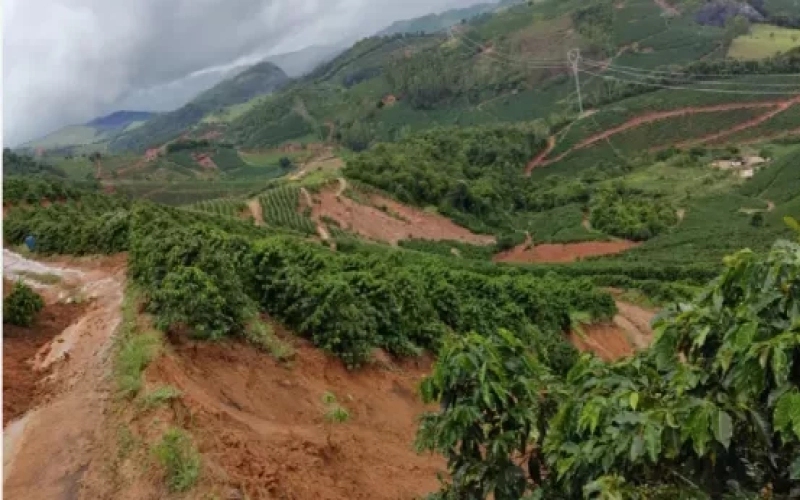
In 2021, Brazil's coffee-growing regions suffered multiple blows including frost, drought, and floods, leading to pessimistic expectations for the 2022 Arabica coffee bean harvest and keeping futures prices persistently high. Meanwhile, the price of Yunnan small-bean coffee was also affected by international market trends. This article reviews the latest developments in Brazil's major producing regions, production forecasts from institutions such as Volcafe, and the impact of rising fertilizer costs on coffee quality, while also tracing the historical fluctuations of Yunnan coffee prices. Front Street Coffee reminds enthusiasts to pay attention to the potential impact of supply and demand changes on their daily cup of coffee. [more…]
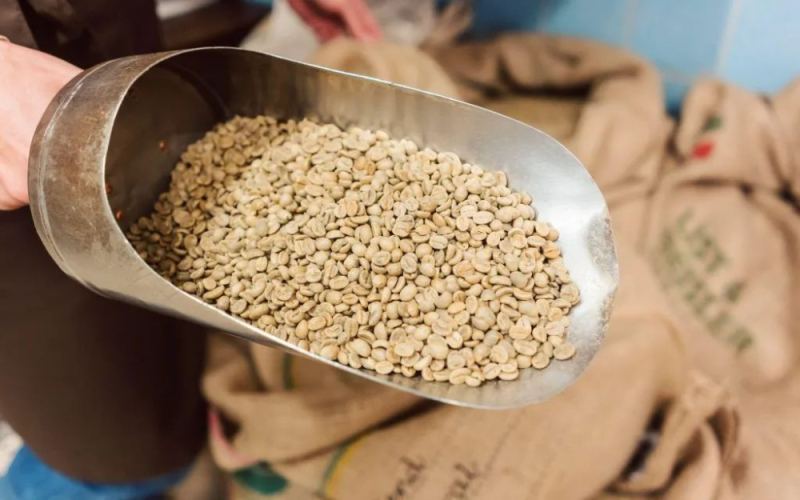
ICE Arabica certified stocks fall to a 24-year low, with nearly 30% of green beans stored for over a year becoming aged beans
Intercontinental Exchange's certified arabica green coffee inventory has plummeted to a 24-year low, totaling just 368,000 bags. More alarmingly, nearly one-third of these beans have been sitting in delivery warehouses for over a year, becoming stale coffee. This situation stems from spot prices exceeding futures prices, prompting roasters to buy directly from exchange stocks, while congestion at Brazilian ports makes replenishment with new beans a distant prospect. The combination of low inventory and the stale bean problem, compounded by global economic and financial uncertainty, has led the market to widely expect green coffee prices to remain highly volatile in the medium term. [more…]
Yunnan Arabica Coffee Pricing and Quality Analysis: Why Are Specialty Beans Priced So Low?
Yunnan Arabica coffee is renowned for its plump beans and rich aroma, yet its market price has long remained low. Starting from the specialty quality and current pricing of Front Street Yunnan Arabica coffee, this article reviews the cultivation history, main producing regions, and industrial scale of Yunnan coffee, analyzes in depth the root causes of Yunnan coffee's lack of voice in the international pricing system, and explores feasible paths to building a specialty coffee brand through establishing unified standards and improving processing techniques. [more…]
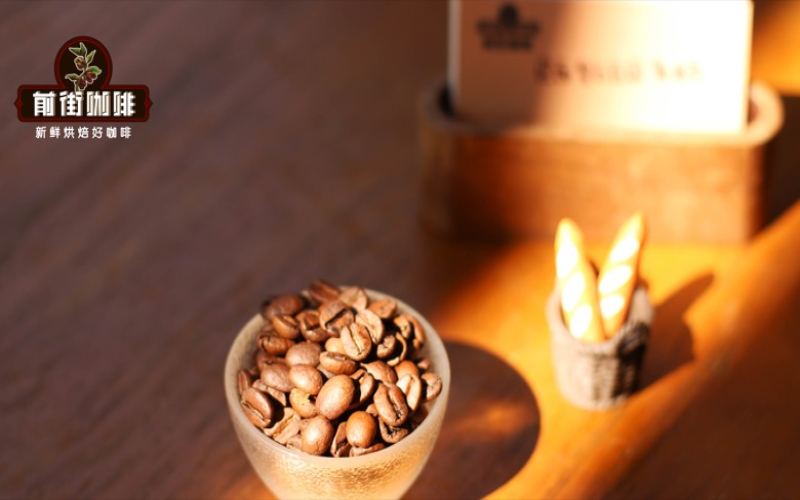
From Everyday Beans to Auction Lots: How Arabica Climbs the Price Ladder
Even though they are all labeled Arabica, coffee bean prices can differ by dozens or even hundreds of times. At one end of this price spectrum are commercial beans on store shelves, and at the other end are famous estate beans bid on per pound at auctions. Understanding what makes each level expensive will help you spend your money wisely and make it easier to find the tier that matches your taste. The entry level is commercial grade. [more…]
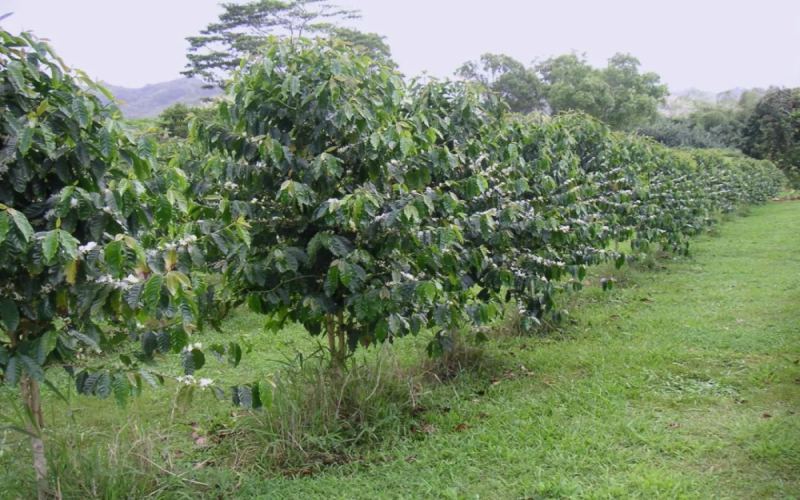
An Analysis of Robusta Coffee Bean Characteristics: Can It Help with Weight Loss, Grading System, and Robusta Prices All You Need to Know
Robusta and Arabica are known as the two major coffee varieties. Robusta is highly adaptable, high-yielding, and affordable, yet it is often undervalued because of its bitter flavor. Drinking coffee containing Robusta in moderation can help with weight loss, but it needs to be paired with a balanced diet and exercise—coffee alone cannot achieve this. This article explores Robusta's botanical characteristics, flavor pros and cons, caffeine content, grading system, and market price, and explains its different roles in espresso blends and instant coffee. High-quality Robusta can also enter the specialty coffee realm, and Front Street Coffee's commercial blend is a typical example. [more…]
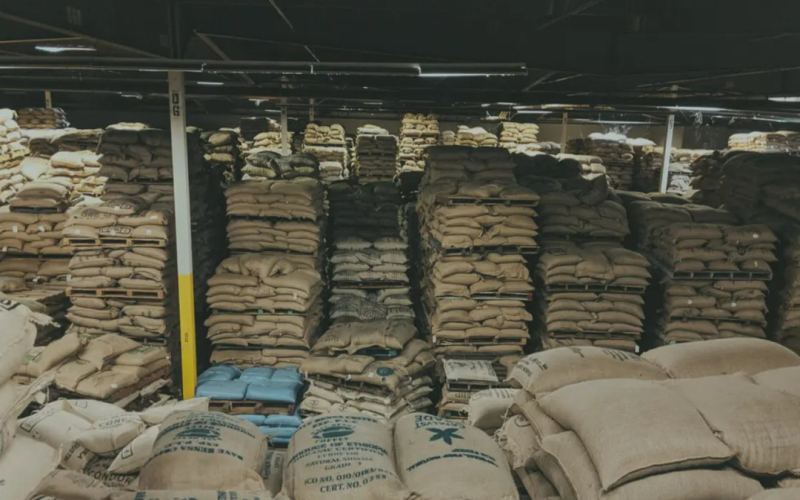
ICE certified stocks fall to a 26-year low, Brazilian coffee is being rushed to delivery warehouses—will Arabica prices come under pressure?
ICE-certified exchange stocks have fallen to a 26-year low of less than 220,000 bags, with large volumes of Brazilian arabica being shipped to delivery warehouses; meanwhile, a Reuters survey projects that arabica prices will fall 8.8% by the end of 2026, while robusta will rise 4.6%. How will stock rebuilding and El Niño weather shape the coffee market outlook? [more…]
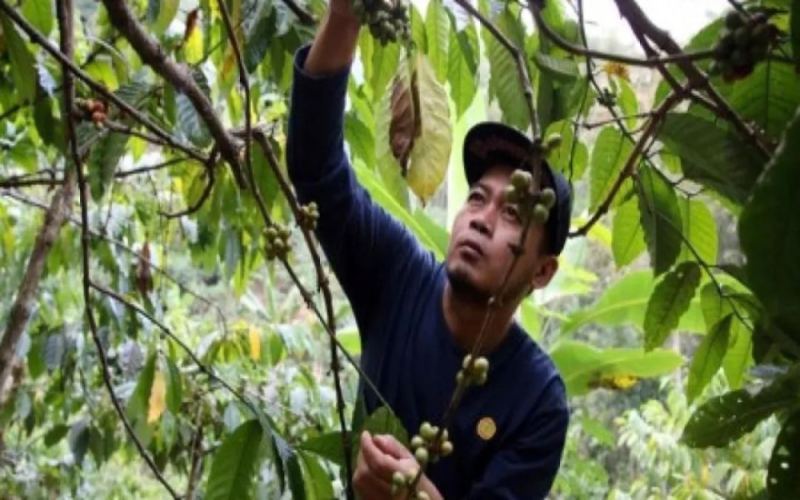
El Niño Hits Key Robusta Growing Regions, Coffee Prices Climb as Arabica Exports Strengthen
The ongoing El Niño phenomenon has continued to intensify recently, bringing high temperatures and drought to coffee-growing regions in Southeast Asia. Robusta coffee production in Indonesia and Vietnam has declined noticeably, and export prices have risen sharply as a result. Meanwhile, Arabica-producing countries such as Honduras in Central America and Kenya in Africa have shown strong export performance, with prices remaining stable. This article reviews changes in production, exports, and prices across major producing regions to help coffee enthusiasts grasp the current supply-demand dynamics and future trends of the global coffee market. [more…]
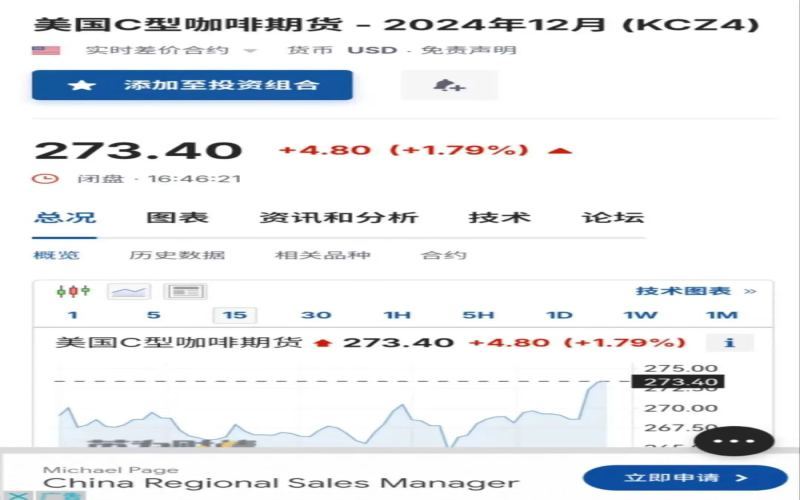
Arabica futures break through 273 cents to a ten-year peak, as extreme weather in Brazil continues to push coffee prices higher
The global coffee market is currently enduring a rare price storm. Driven by climate factors such as prolonged drought, high temperatures, and uneven rainfall distribution in Brazil, combined with steadily rising global coffee demand, both Arabica and Robusta coffee futures prices have hit record highs. Arabica futures have reached 273.4 cents per pound, a ten-year high; Robusta's surge has been even more ferocious, with an increase of 74% within the year. As the world's largest coffee producer, Brazil's domestic retail coffee prices have risen to their highest level since records began in 1997. This article will examine the climate, production, and market factors behind this round of coffee price increases, and look ahead to the prospects for the next harvest season. [more…]
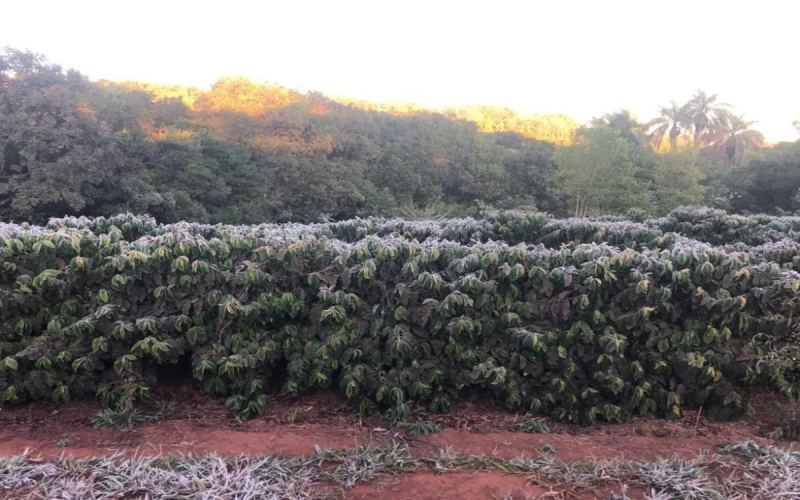
Coffee Stocks in Crisis: ICE Exchange Plans to Re-certify Two-Year-Old Brazilian Beans for Market Release
Brazil, the world's largest coffee producer, has suffered consecutive droughts and frosts, with its 2022/23 harvest falling far short of expectations. Certified coffee inventories on the ICE exchange have continued to decline, keeping coffee futures prices elevated. To ease the inventory crunch, ICE plans to re-grade and re-certify a batch of Brazilian Arabica old-crop beans that have been in storage for nearly two years and put them into trading. Although this move is not a violation of the rules, it has sparked concerns among traders about coffee quality and the mixing of old and new beans. This article will review the background of Brazil's reduced output, the logic behind futures price fluctuations, and the possible chain reactions that re-certifying old-crop beans may bring to the market. [more…]

Analysis of Yunnan Arabica Coffee Variety Characteristics: Flavor Differences Between Typica and Catimor and Price Reference
Yunnan is China's most important coffee-producing region, and the Arabica varieties grown there have evolved from Typica to Catimor. This article provides a detailed review of the variety origins, appearance characteristics, and flavor performance of Yunnan small-bean coffee, compares the differences between Typica and Catimor, and introduces Front Street's Typica cultivation practices in the Lincang production area. It also covers the characteristics of washed and natural processing methods, suggested brewing parameters, and flavor descriptions and price information for several Front Street Yunnan coffees, helping coffee enthusiasts gain a comprehensive understanding of the current status and quality potential of Yunnan Arabica coffee. [more…]
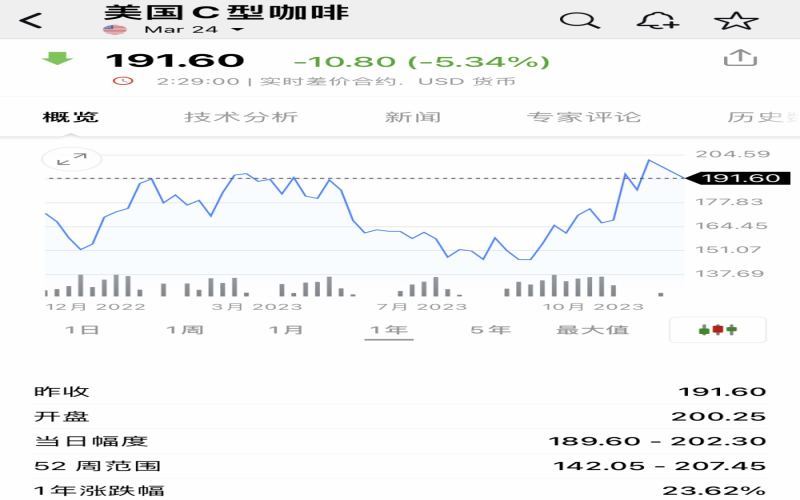
Analysis of U.S. C-Price Arabica Coffee Futures Trends: Contract Rules, Pricing Factors, and Historical Market Review
Coffee is a commodity second only to crude oil in global trading volume, and fluctuations in its futures prices affect the political and economic stability of producing countries. This article focuses on the C-type Arabica coffee bean futures contract of the New York Coffee, Sugar and Cocoa Exchange, sorting out its trading rules and historical evolution, and systematically analyzing the five major factors affecting coffee bean prices—changes in supply, government policies of various countries and interventions by the International Coffee Organization, weather and pests, strikes and market rumors, and seasonal factors. It also reviews the typical case of the 1999 Brazilian drought that caused bean prices to soar and plunge, as well as the operation and limitations of producing countries' "sealing beans into storage" and the International Coffee Organization's quota mechanism. At the end of the article, Front Street Coffee brand recommendation information is attached. [more…]
Comprehensive Comparison of Arabica and Robusta: An Analysis of Caffeine Content, Growing Conditions, and Flavor Differences
In the world of coffee, Arabica and Robusta each have their own followers. The former is often seen as synonymous with specialty coffee, while the latter, with its strong body and rich crema, plays an important role in espresso blends. But is Arabica really superior to Robusta across the board? This article will compare the two across eight dimensions: caffeine content, lipids and sugars, price, uses, bean shape, plant height, chlorogenic acid content, and growing regions, while also detailing their respective growing environment requirements and global production distribution, to help you more fully understand the essential differences between these two coffees. Whether you are an Arabica lover who prefers soft fruity acidity, or a Robusta devotee who loves intense richness, you will find valuable reference here. [more…]

Why Have Yunnan Coffee Bean Prices Remained Low for So Long? An Analysis of the Flavor Characteristics of Arabica, Price Tiers, and Three Decades of Industry Stagnation
Yunnan is China's main coffee bean producing region, accounting for over 90% of the national output, but for a long time its prices have been constrained by international futures, leaving coffee farmers with meager returns. Starting from the varieties, growing conditions, and flavor characteristics of Yunnan arabica coffee, this article sorts out its price tiers and the path of its specialty transformation, and reviews the low-price predicament, the production decline crisis, and the rescue actions of industry associations, governments at all levels, and e-commerce platforms over the past thirty years. The article also introduces the cultivation history of Yunnan coffee, international grading standards, and the differences among major cultivated varieties, and retains the brand recommendation information of Front Street Coffee, so that coffee enthusiasts can gain a comprehensive understanding of the current situation and potential of Yunnan beans. [more…]